
Group Support
Small groups. Safe spaces. Support that works differently.

Not every young person needs, or responds best to, one-to-one support.
What we do:
At Headspace, we run a range of small groups designed to help young people build confidence, make connections, develop new skills and take positive steps forward.
Our groups are relaxed, supportive and deliberately small. We know that simply walking into a group can feel like a big step for some young people, so there is no expectation to immediately talk, join in or behave in a particular way. We give young people time to feel comfortable, build trust and participate at their own pace.
The activity may be different, but the approach is always the same: create a safe environment, build trusted relationships and give young people the space and support to move forward.
EBSA & Re-engagement Groups
For some young people, attending school or engaging with education can become incredibly difficult.
Our EBSA and re-engagement groups support young people experiencing emotionally based school avoidance (EBSA), anxiety, poor attendance or difficulties engaging with education.
Rather than focusing simply on getting a young person back into the classroom, we start with the young person. Small groups provide a safe and manageable environment where they can begin rebuilding confidence, developing relationships and experiencing routine and learning without the pressures they may associate with school.
The aim is to help each young person take realistic steps towards greater engagement with education, their community and the people around them.

Outdoor Learning
Sometimes the best conversations don't happen sitting across a table.
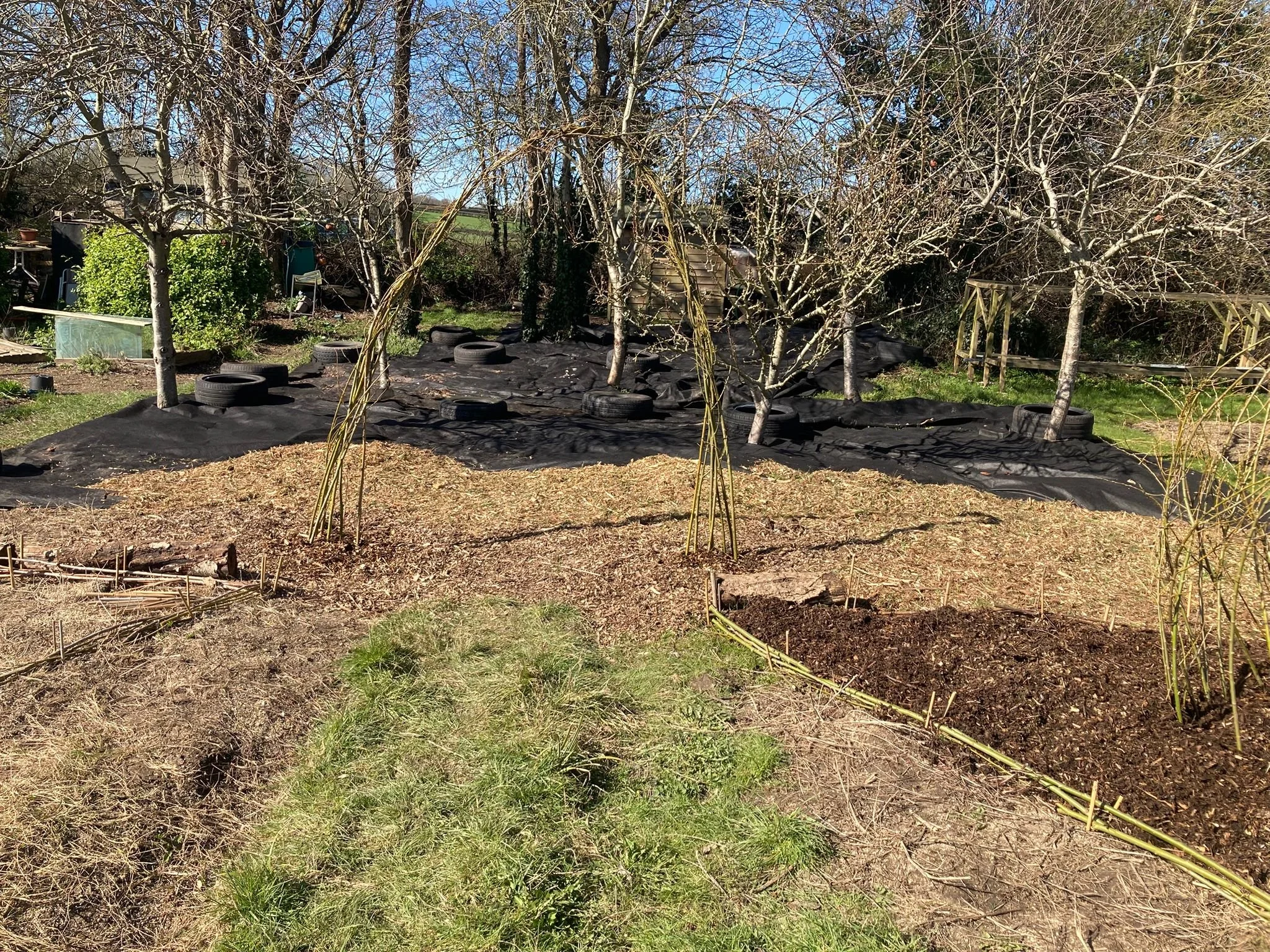
Our outdoor learning groups use nature and practical activities to give young people opportunities to connect, learn and develop confidence in a relaxed environment.
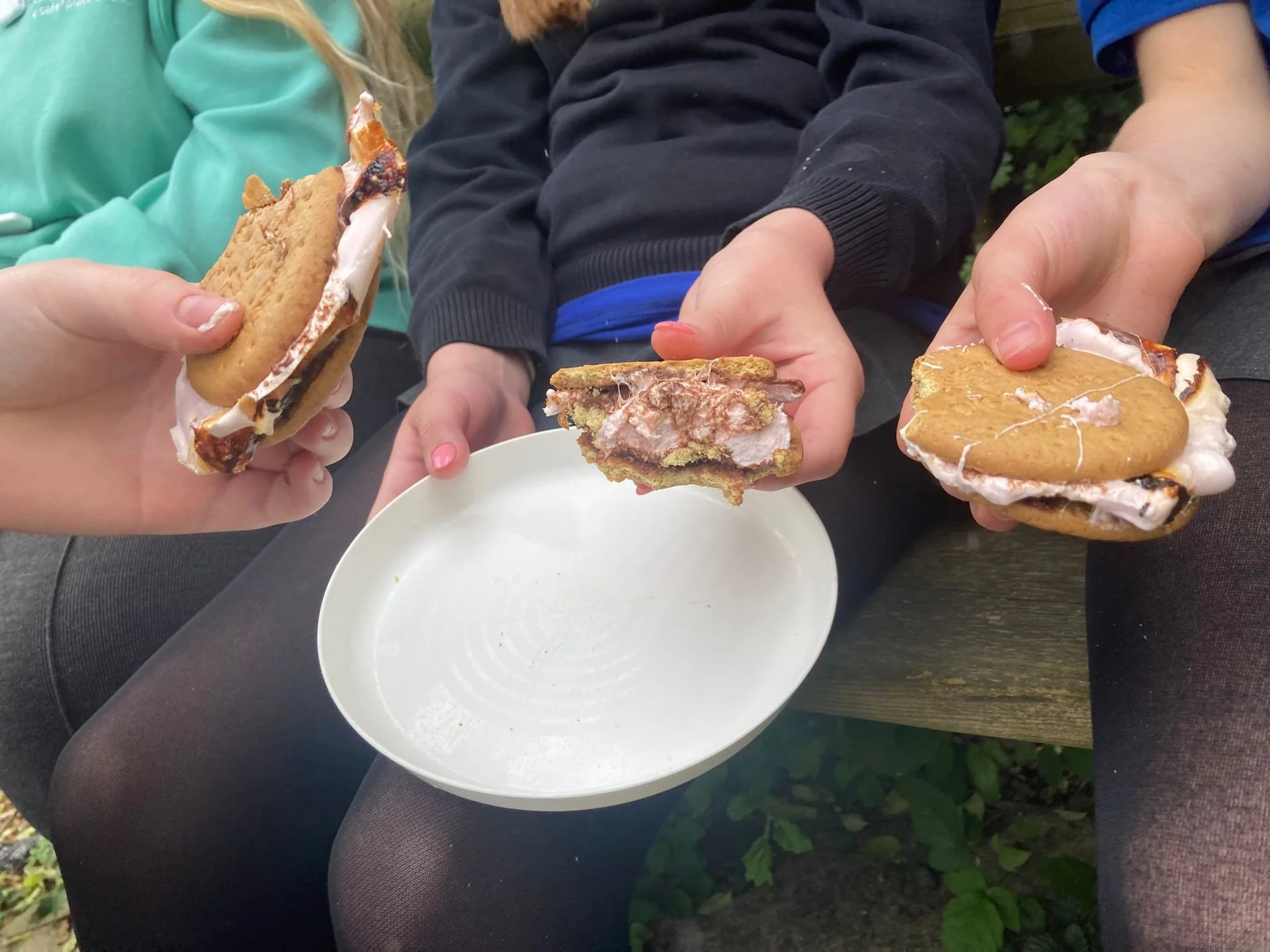
Sessions can include gardening and growing produce on our allotments, bushcraft, outdoor cooking, walking, nature-based activities and practical projects.
There is often less pressure to talk when everyone is busy doing something together. Relationships develop naturally, young people experience achievement and they can discover interests and abilities they may not have realised they had.
Outdoor learning can be particularly valuable for young people who find traditional classroom or clinical environments difficult.
Mentoring Groups
Our mentoring groups bring young people together in small, supportive groups where relationships and shared experiences are at the heart of the sessions.
Young people have the opportunity to spend time with others who may be experiencing similar challenges, supported by trusted Headspace adults.
Sessions might involve conversation, games, activities, practical tasks or simply spending time together. The activity provides the opportunity to connect – the relationship is what matters.
We don't expect young people to share personal information with a group or talk about things before they are ready. Trust develops over time

Interest & Activity Groups
Having something you're interested in can be a powerful way to connect with other people.
Our interest and activity groups use creative, practical and enjoyable activities to bring young people together in an informal and supportive environment.
Depending on the programme, groups may include cooking, craft, music, creative projects, mindfulness or other shared interests.
Young people can learn something new, discover an interest, experience achievement and spend time alongside others without the pressure of attending a group specifically to "talk about mental health".
The activity opens the door. What develops from there can be much more important.
Transition Groups
Change can be difficult, particularly for young people who already experience anxiety, low confidence or difficulties with education.
Our transition groups provide additional support around important periods of change.
This can include moving from primary to secondary school, returning to education following a period of absence or preparing for another significant change in a young person's education.
Through small-group activities, familiarisation, relationship building and practical support, we help young people understand what to expect and develop strategies for managing the change.
Where possible, we work alongside families, schools and other professionals so that the young person receives consistent support throughout their transition.

A Different Kind of Group
Many of the young people who come to Headspace have previously found groups difficult. Some experience anxiety, some are neurodivergent, some have struggled to attend school and others simply don't feel comfortable in traditional services.
That's why we don't expect young people to fit into our groups.
We try to create groups that fit the young people.
That might mean starting slowly, allowing someone to observe before participating, adapting an activity, spending some time outside the main group or simply recognising that turning up that day was an achievement.
Progress looks different for every young person.
Where Do Groups Take Place?
Our groups take place in a range of community settings across the North Cotswolds.
These can include our Headspace base in Bourton-on-the-Water, our allotments and outdoor spaces, community venues and other locations chosen because they provide a relaxed and welcoming environment for young people.
Some programmes are delivered in partnership with schools or other local organisations.
Finding the Right Support
There isn't one Headspace group that is right for every young person.
Our programmes change throughout the year according to the needs of young people in our community, the time of year and the funding available.
When a young person is referred to Headspace, we look at what they need and which type of support may be most appropriate.
That could be a group, one-to-one mentoring, outdoor support or another Headspace service.
The important thing is finding the right starting point for that young person.


"Helped me non verbally express how I am feeling" J Y9
"Headspace helped me by listening to me and helping me feel safe" R Y8
"I found it beneficial for my mental health and to communicate to others (anger problems" T Y9
"I can keep calm for longer in stressful situations" Z Y7
“I got in a lot of fights and they helped me calm down” K yr 8
“It was my happy place”.
“They listened, I enjoyed being here, I didn’t feel pressurised”.
“I appreciated the time they took to help and listen to my opinions”.